
A Business Owner's Guide to Commercial Roofing Maintenance in Hartford
As a business owner or property manager, you have a long list of responsibilities. From daily operations to long-term financial planning, it’s easy for building maintenance to get pushed to the back burner. However, one of the most critical assets protecting your business is right above your head: your commercial roof. Here in Hartford, where our weather can be unpredictable, a neglected roof can quickly turn into a major liability, leading to costly operational disruptions and unexpected repairs. Proactive maintenance isn't just an expense; it's a strategic investment in the longevity and safety of your property. This guide will walk you through the essentials of commercial roof care, helping you protect your investment and avoid expensive surprises down the road.
Why Proactive Maintenance is a Smart Business Decision
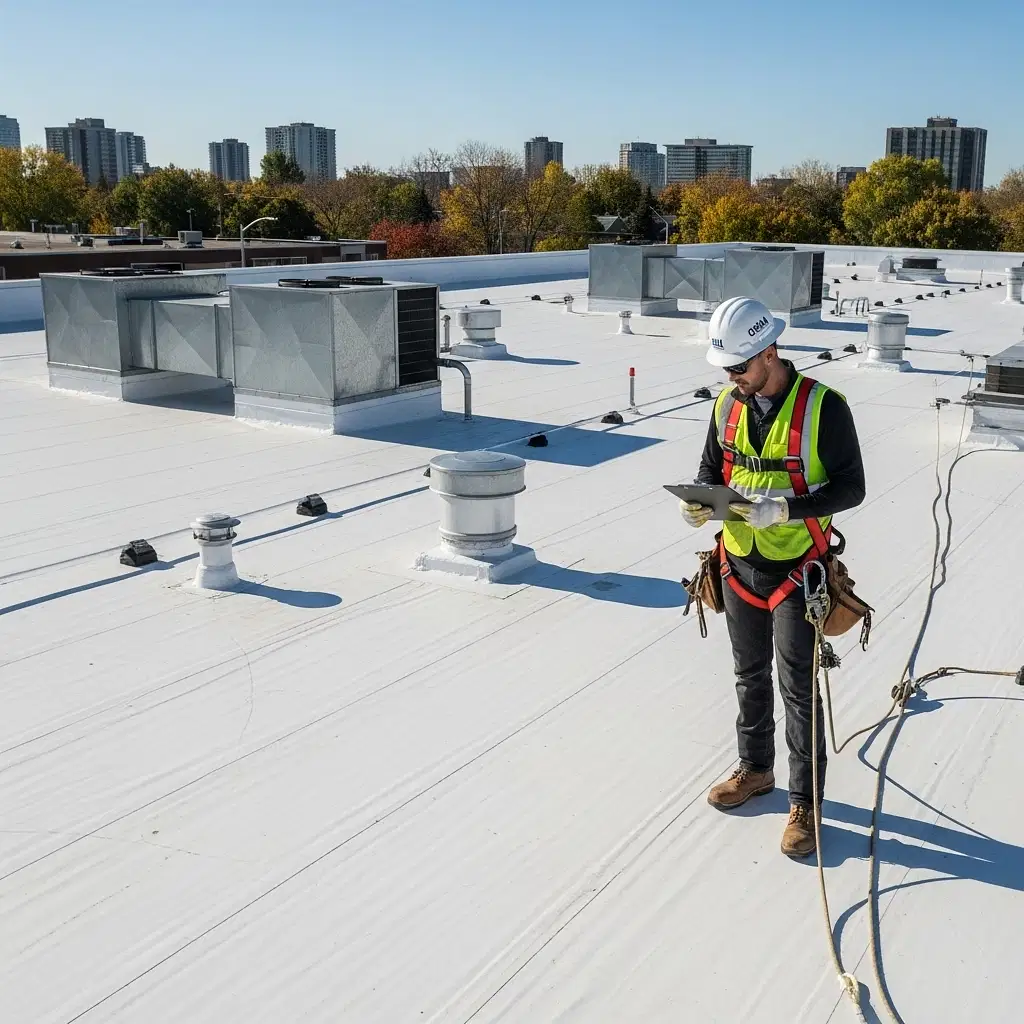
Waiting for a leak to appear before you think about your roof is a reactive approach that often leads to significant costs. Water damage can ruin inventory, damage equipment, and create unsafe conditions for employees and customers. A proactive commercial roof maintenance plan offers several key benefits that directly impact your bottom line:
- Extends Roof Lifespan: Regular inspections and minor repairs can significantly extend the service life of your existing roof, delaying the need for a full, costly roof replacement. Most commercial roofs are designed to last for decades, but only if they are properly maintained.
- Prevents Major Issues: Small problems like a clogged drain, a small puncture in the membrane, or failing flashing can escalate into major leaks during the next heavy storm. Catching these issues early is the difference between a simple fix and a complex, expensive repair.
- Protects Your Assets: Your roof is the first line of defense for everything inside your building. A well-maintained roof protects your inventory, machinery, and interior structures from water damage, preserving their value and preventing operational downtime.
- Improves Energy Efficiency: Leaks, gaps, and deteriorating insulation can lead to significant energy loss. A professional inspection can identify these areas, and addressing them can help lower your heating and cooling bills.
Common Commercial Roofing Challenges in the Connecticut Climate
Our four-season climate poses unique challenges for commercial roofs, especially the flat or low-slope systems common on commercial buildings. Understanding these risks is the first step toward effective prevention.
- Ponding Water: Flat roofs are designed with a slight slope for drainage, but over time, issues like clogged drains or sagging can lead to ponding water. This standing water accelerates the deterioration of roofing materials and increases the risk of leaks.
- Membrane Damage: The roof membrane can be damaged by foot traffic, falling debris, or UV exposure. Punctures, blisters, or cracks compromise the roof's watertight seal.
- Ice Damming: In the winter, melting snow can refreeze at the roof's edge, creating ice dams. This blocks proper drainage and can force water up under the roofing material, leading to leaks inside the building.
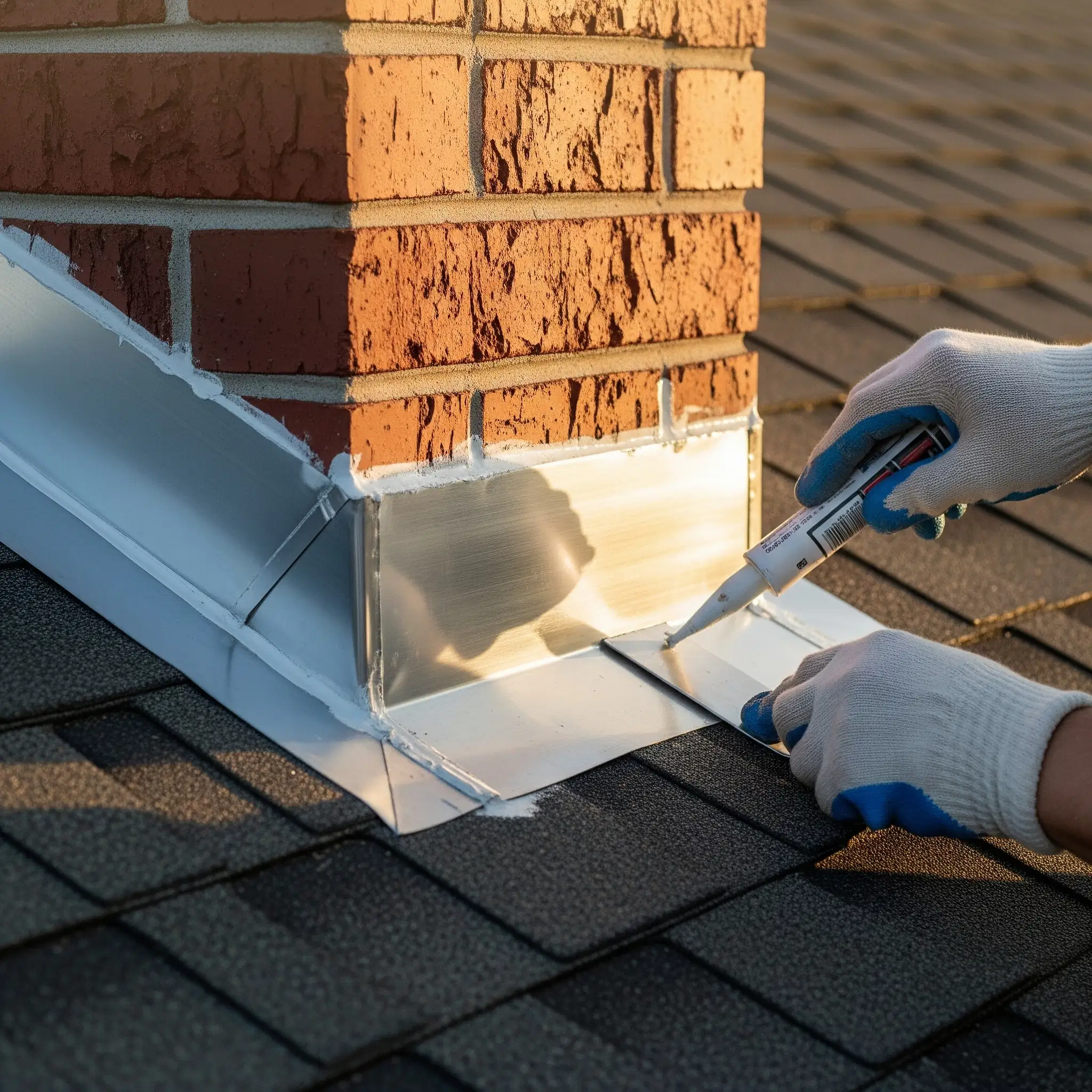
- Flashing and Sealant Failure: The flashing and sealants around vents, HVAC units, and skylights are common failure points. Over time, they can dry out, crack, and pull away, creating entry points for water.
What to Expect from a Professional Roof Inspection
A comprehensive roof inspection is the cornerstone of any effective maintenance program. It provides a clear picture of your roof's current condition and identifies potential issues before they become critical. While every roof is different, a professional inspection checklist should generally include:
- Interior Check: Looking for signs of water intrusion, such as stains on the ceiling or walls, mold, or moisture.
- Drainage System Review: Ensuring gutters, scuppers, and internal drains are clear of debris and functioning correctly.
- Membrane and Surface Assessment: Carefully examining the entire roof surface for punctures, cracks, blisters, open seams, and signs of advanced wear.
- Flashing and Penetration Inspection: Checking all points where the roof is penetrated—vents, pipes, skylights, and HVAC units—to ensure the flashing and seals are intact.
- Structural Component Check: Examining the condition of soffit and fascia for any signs of damage or rot.
- Detailed Reporting: Providing a written report with photos that outlines the findings, documents any areas of concern, and recommends a course of action.
Your Partner in Protecting Your Commercial Property
Your commercial property is a significant investment, and its roof is its primary shield. By shifting from a reactive to a proactive maintenance strategy, you can prevent costly disruptions, extend the life of your roof, and gain valuable peace of mind. Regular inspections and timely repairs are essential for navigating the challenges of our New England weather and keeping your business running smoothly.
If you're ready to protect your investment, the team at J.M.J Xteriors L.L.C is here to help. We offer comprehensive roofing services, including detailed inspections and maintenance plans for commercial buildings throughout the Hartford area. Contact us today to schedule a consultation and learn how we can help you keep your property safe and secure.