
A Homeowner's Guide to Preventing Ice Dams and Winter Roof Damage
Connecticut winters can be beautiful, blanketing our neighborhoods in a quiet layer of snow. But for homeowners, that picturesque scene can hide a serious threat: ice dams. These thick ridges of ice along the eaves of your roof are more than just an eyesore; they can cause significant and costly damage to your home. As a local roofing expert serving the greater Hartford community, we've seen firsthand the problems that unchecked ice dams can create, from ruined insulation to leaks that stain interior walls.
Understanding what causes this common winter problem is the first step toward protecting your home. In this guide, we'll explain the science behind ice damming, the damage it can cause, and most importantly, the effective, long-term solutions to keep your roof safe and your home dry all winter long.
What Exactly is an Ice Dam, and Why is it a Problem?
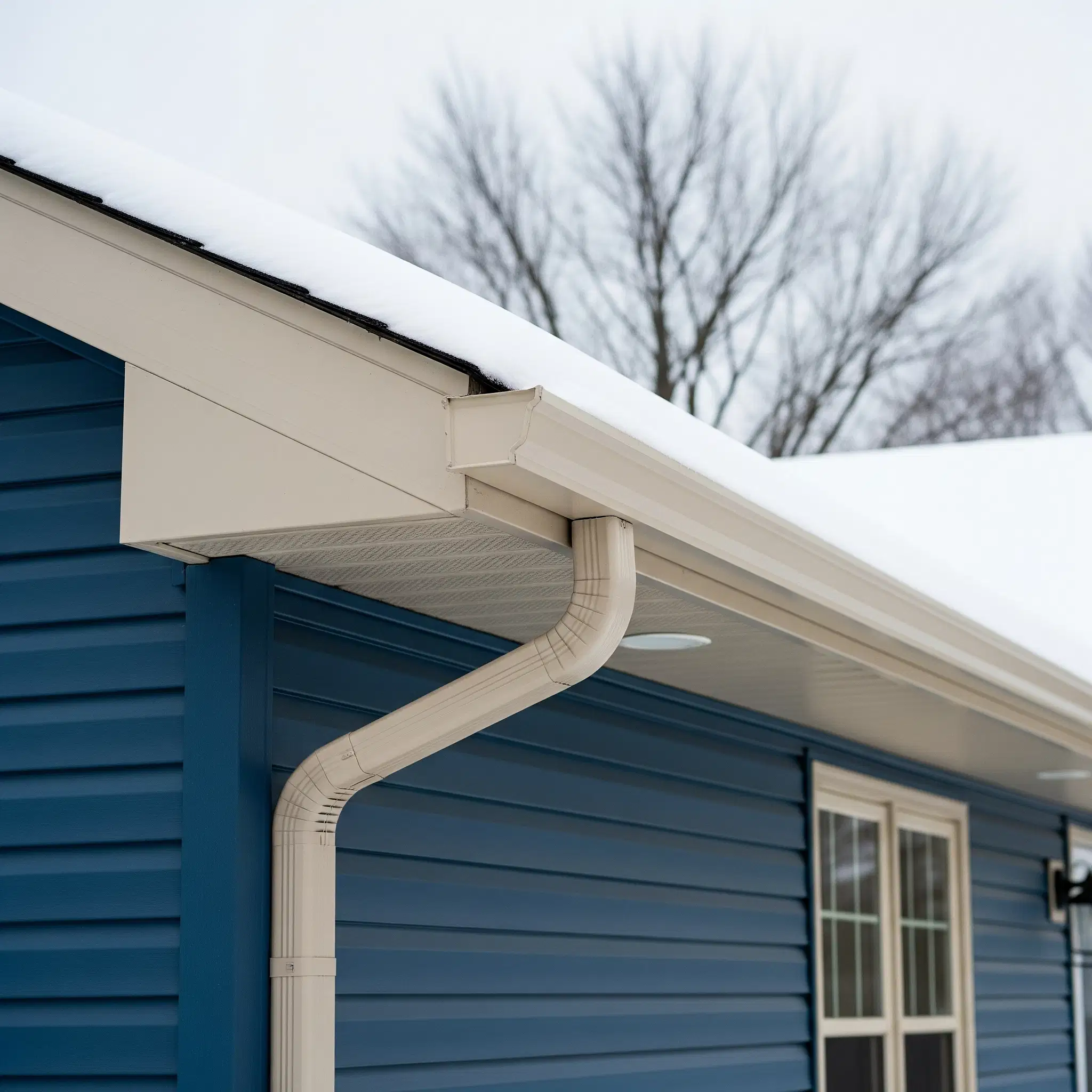
An ice dam forms when a cycle of melting and freezing occurs on your roof. It starts when heat from your living space escapes into the attic, warming the underside of the roof deck. This causes the snow on the upper parts of your roof to melt, even when the outside temperature is below freezing. The resulting water runs down the roof until it reaches the colder eaves and gutters, where it refreezes into a mound of ice.
As this process continues, the dam of ice grows, trapping more and more water behind it. This standing water has nowhere to go but up, forcing its way underneath your shingles and through the roof deck into your attic. Once inside, the damage can be extensive:
- Water Damage: Leaks can saturate attic insulation, rendering it ineffective, and seep into ceilings and walls, causing stains, peeling paint, and structural rot.
- Gutter and Shingle Damage: The sheer weight of the ice can tear off gutters, loosen shingles, and damage the soffit and fascia boards.
- Mold and Mildew: Trapped moisture in your attic and walls creates the perfect environment for mold and mildew to grow, which can pose health risks to your family.
What starts as a winter roofing issue can quickly become a major, expensive problem affecting multiple parts of your home. Addressing the root cause is far more effective and affordable than dealing with the aftermath.
The Long-Term Solution: A Cool Roof Through Insulation and Ventilation
The key to preventing ice dams isn't just about dealing with the ice itself; it's about stopping the melt-and-freeze cycle from starting. The goal is to maintain a consistently cold roof surface, and that is achieved through a properly balanced system of insulation and ventilation.
Proper Attic Insulation
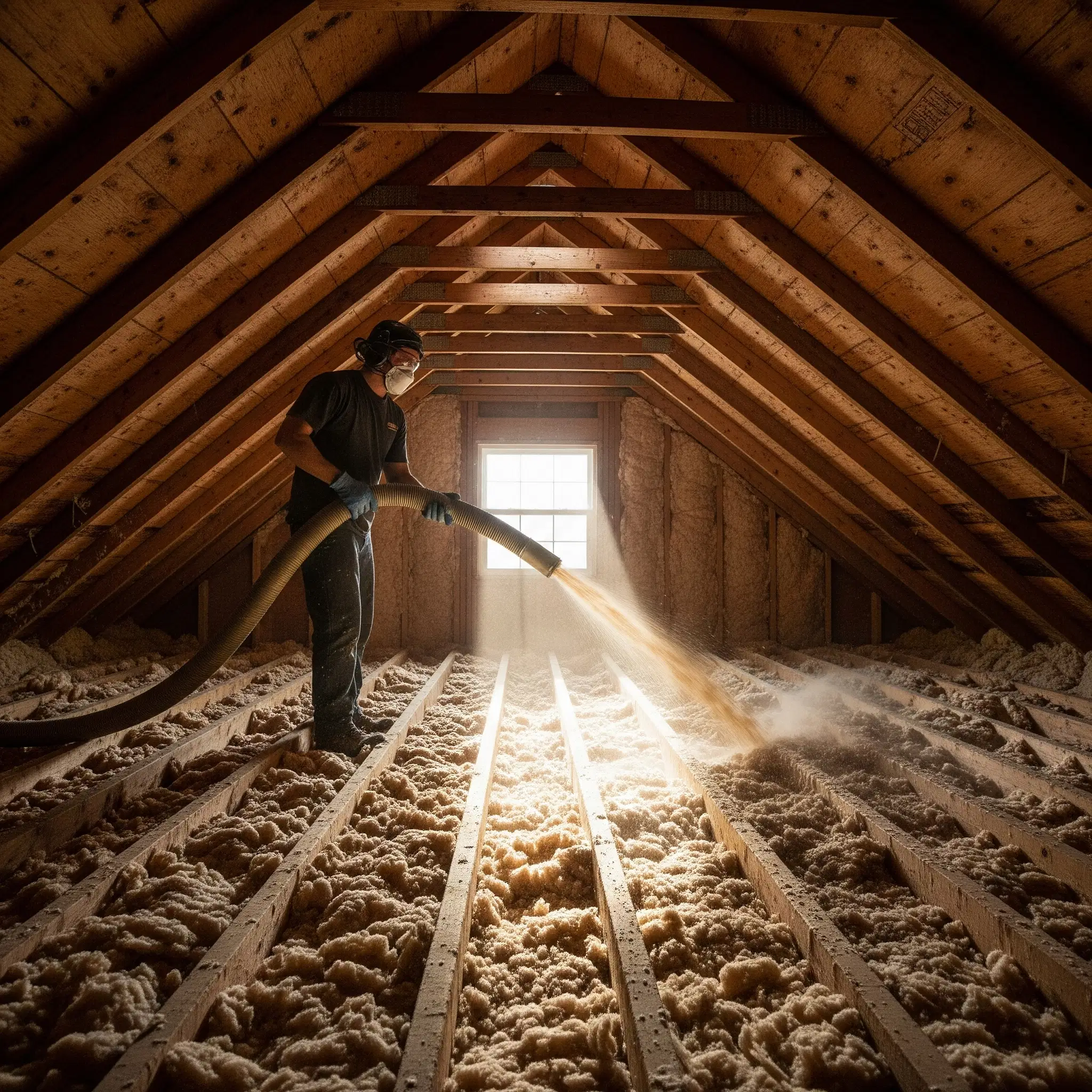
Your attic insulation acts as a thermal barrier, keeping the warm, conditioned air from your home where it belongs. When insulation is thin, compressed, or improperly installed, heat rises into the attic and warms the roof. By ensuring your attic floor is sealed and insulated to the recommended R-value for our climate, you significantly reduce this heat transfer. This not only helps prevent ice dams but also improves your home's overall energy efficiency, potentially lowering your heating bills.
Adequate Roof Ventilation
A common misconception is that you want to keep your attic warm in the winter. In reality, a cold, well-ventilated attic is essential for a healthy roof. A proper ventilation system, typically consisting of soffit vents (intake) and a ridge vent (exhaust), allows cold outside air to circulate through the attic. This constant airflow keeps the roof deck cold from the inside, ensuring the entire roof surface stays at or near the outdoor temperature. When the roof is uniformly cold, the snow on top melts evenly and naturally, rather than creating damaging runoff.
Proactive Steps for Winter Roof Care
While insulation and ventilation are the ultimate fix, there are several practical steps you can take to protect your residential building's roof during the winter months.
-
Clear Your Gutters: Before the first snowfall, make sure your gutters and downspouts are completely free of leaves and debris. Clogged gutters are a primary contributor to ice dam formation, as they give melting snow an immediate place to pool and freeze.
-
Remove Heavy Snow Safely: After a heavy storm, you can use a long-handled roof rake to carefully pull snow off the first few feet of your roof's edge. This removes the source material for ice dams. Be extremely careful not to damage your shingles or pull down power lines, and never get on a ladder or an icy roof yourself.
-
Schedule a Professional Inspection: The best time to prevent winter damage is in the fall. A professional roofing inspection can identify and address vulnerabilities like inadequate insulation, blocked vents, or damaged flashing before they become serious problems. An expert can assess your entire roofing system and provide recommendations tailored to your home's specific needs.
Protect Your Home This Winter with J.M.J Xteriors L.L.C
Ice dams are a clear sign that your home's roofing system isn't functioning as it should. While quick fixes might offer temporary relief, the only lasting solution is to address the underlying issues of heat loss and poor ventilation. Protecting your home from the harsh Connecticut winter is about ensuring all components—from insulation and ventilation to your shingles and gutters—are working together correctly.
Don't wait for a leak to appear. If you've had issues with ice dams in the past or want to ensure your Hartford-area home is prepared for the season ahead, we're here to help. Contact J.M.J Xteriors L.L.C today to schedule a comprehensive roof inspection and get expert advice on protecting your most valuable asset.