
Attic Ventilation: Protecting Your Roof Year-Round
When we think about a strong, durable roof, we usually picture high-quality shingles standing up to heavy rain, wind, and snow. But one of the most critical components of your roofing system is actually completely invisible from the curb. Proper attic ventilation is the unsung hero of your home's exterior, working quietly around the clock to extend the life of your materials and protect your property from the inside out.
Here in the Capitol Region, our homes face extreme temperature swings. We endure sweltering, humid summers and freezing, unpredictable winters. Because of these dramatic seasonal shifts, understanding how your roof breathes is essential for long-term protection. A roof is not just a static lid on top of your house; it is a dynamic system that requires continuous airflow to function correctly. Without it, even the most expensive, premium shingles will fail long before their time.
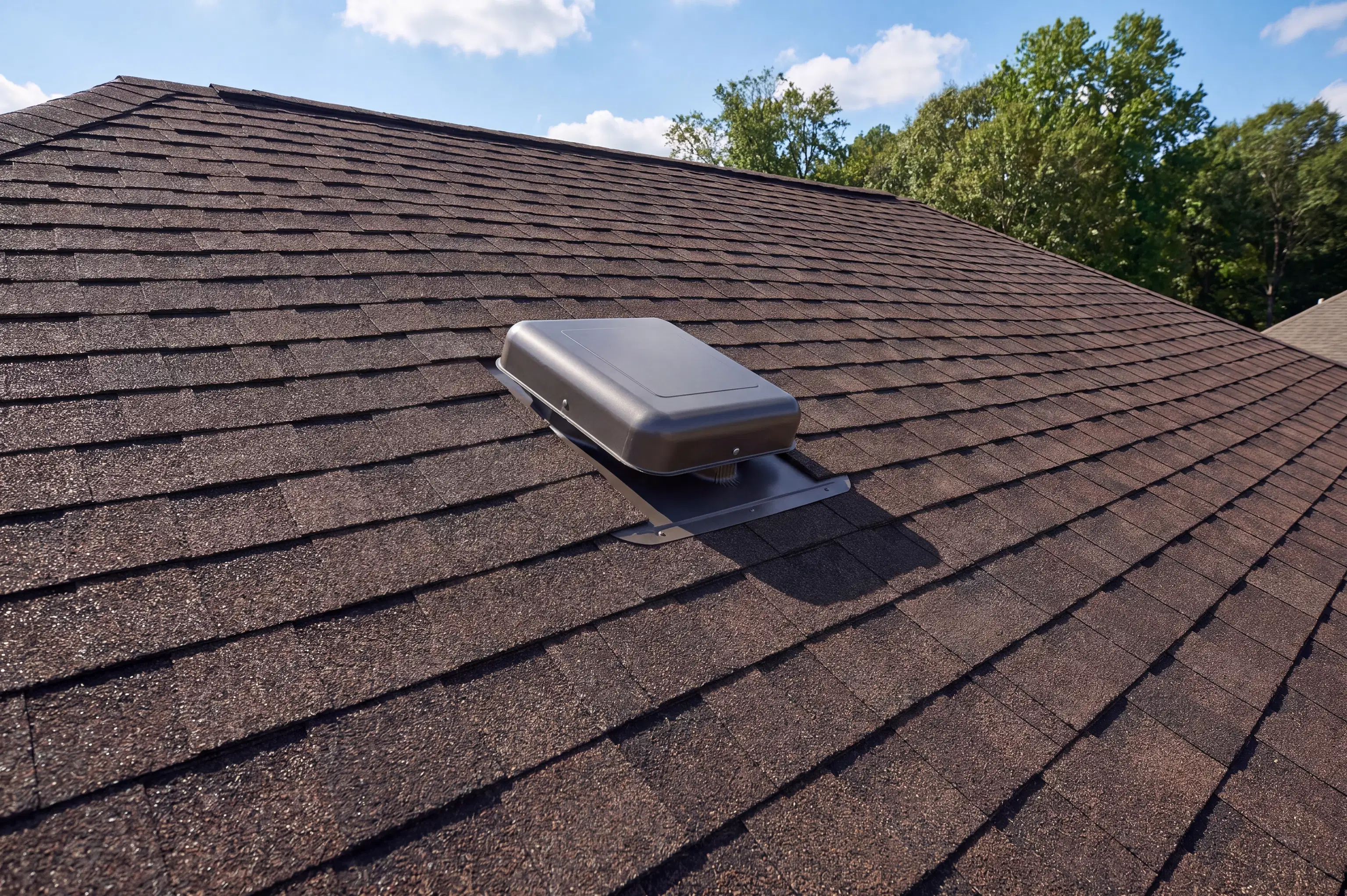
Why Your Roof Needs to Breathe
A well-designed ventilation system relies on a very simple scientific principle: hot air rises. By drawing cool, fresh air in through the soffits (the underside of your roof's overhang) and expelling warm, moist air out through the ridge vents at the peak, your attic maintains a balanced, consistent temperature.
During the sweltering summer months, a poorly ventilated attic can easily reach temperatures well over 140 degrees. This trapped, superheated air essentially bakes your shingles from the inside out. Over time, this intense heat causes asphalt shingles to blister, curl, and lose their protective granules, aging them prematurely. Furthermore, that trapped heat doesn't just stay in the attic; it radiates down into your living spaces, forcing your air conditioning system to work overtime and driving up your monthly utility bills.
Understanding the benefits of proper attic ventilation is crucial for any homeowner looking to maximize their energy efficiency. Whether you are scheduling routine maintenance or planning a complete roofing replacement, ensuring that your attic has adequate intake and exhaust ventilation is one of the most effective ways to protect your investment and keep your home comfortable during the hottest months of the year.
Winter Weather and the Threat of Ice Dams
While summer heat is certainly damaging, winter presents an entirely different and often more destructive set of challenges for homeowners. When a severe Nor'easter rolls through, dumping heavy snow on your property, the temperature inside your attic becomes a critical factor in preventing catastrophic structural damage.
If your attic is too warm due to poor ventilation and inadequate insulation, the snow resting on your roof will begin to melt, even if the outside air is freezing. This melted water runs down the slope of your roof until it reaches the colder eaves and gutters, where it rapidly refreezes. Over time, this continuous cycle of melting and freezing creates ice dams—thick, heavy ridges of solid ice that prevent subsequent melting snow from draining properly.
As water backs up behind the ice dam, it has nowhere to go but under your shingles. It can easily seep through the roof deck, rotting the wood and causing severe water damage to your interior walls, ceilings, and insulation. Proper attic ventilation keeps the roof deck uniformly cold, allowing snow to melt naturally and safely drain away. For residential buildings, this preventative measure is absolutely vital for surviving our harsh winters without facing costly emergency repairs.
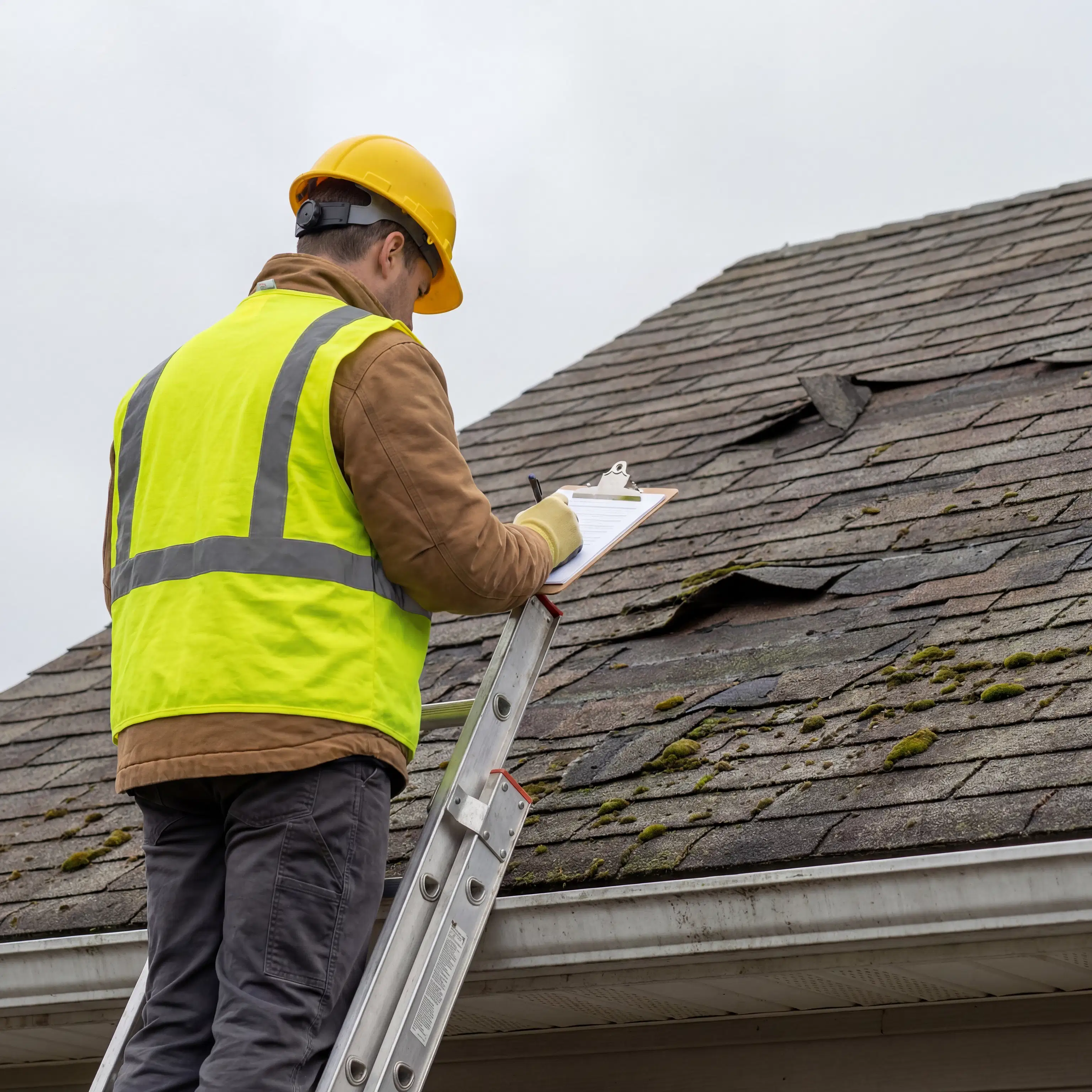
Signs Your Roof Needs Better Airflow
How can you tell if your home is suffering from poor ventilation? There are a few telltale signs your roof needs better airflow that you can look for both inside and outside your home.
Inside the attic, watch out for condensation on your windows or frost buildup on the nails protruding through the roof deck during the winter. If you notice a damp, musty smell or visible mold growth on the wooden rafters, moisture is actively trapped inside. This excess moisture is exactly why we emphasize how attic vents prevent roof rot—by giving that damp air a reliable escape route before it can degrade your wooden support structures.
Outside, you might notice your shingles looking wavy, buckling, or deteriorating faster than they should. Because the impact of ventilation on roof lifespan is so significant, recent updates to Connecticut State Building Codes have placed a much stricter emphasis on proper attic airflow and ice dam prevention. Whether you are updating an older historic property or planning a new construction project, adhering to these modern ventilation standards is non-negotiable for a durable, long-lasting build that complies with local regulations.
Protect Your Investment with J.M.J Xteriors L.L.C
Your roof is a complex, interconnected system, and every single component needs to work together seamlessly to defend your home against the elements. From the quality of the exterior shingles to the efficiency of the airflow beneath them, getting the details right matters immensely. As we approach the spring thaw, it is the perfect time to evaluate how well your home weathered the winter and address any underlying ventilation issues before the intense summer heat arrives.
At J.M.J Xteriors L.L.C, we specialize in comprehensive exterior solutions tailored to the unique climate challenges of Enfield and the surrounding communities. We understand what it takes to build and maintain a roof that can handle everything New England weather throws at it. If you are concerned about your attic's airflow, have noticed signs of moisture damage, or simply want to ensure your home is fully protected year-round, reach out to our experienced team. Visit our contact us page today to schedule a thorough inspection and keep your roof performing at its absolute best.