
Beyond the Shingles: How Flashing and Siding Protect Your Home
Picture this: a classic Connecticut Nor'easter is howling outside your window. The wind is whipping, the rain is driving sideways, and you are sitting on your couch hoping your home's exterior is up to the challenge. While most of us focus on the color of our shingles or the style of our front door, the real unsung heroes keeping you dry are often completely overlooked: your flashing and siding.
Here in the Hartford area, our homes take a beating from Mother Nature. From blistering summer sun to heavy winter snows, your roof and walls are your first line of defense. But they don't work alone. Let's dive into how these crucial components work together to protect your home, and why keeping an eye on them can save you from massive headaches down the road.
The Unsung Hero: What is Roof Flashing?
Think of your roof like a raincoat. It's great at shedding water, but what happens at the seams, the collar, or the pockets? That's where water sneaks in. Roof flashing acts as the waterproof seal for your roof's most vulnerable points. Made from thin pieces of metal—usually aluminum or galvanized steel—flashing is strategically placed anywhere the roof plane changes or is interrupted.
You'll find it snug around your chimney and skylights, lining the valleys where two roof slopes meet, and tucked along the edges where the roof meets a wall. When installed correctly, flashing channels water safely down into your gutters. But when it fails due to age, severe weather, or shoddy installation from out-of-state storm chasers who disappear after the storm, the results aren't pretty. Failed flashing is a leading cause of roof leaks, leading to rotted wood, ruined insulation, and mold. If you suspect a leak, a professional roofing inspection is your best bet to catch a flashing issue before it requires a major structural repair.
The Impact of New England Weather on Your Exterior
It is no secret that our local climate puts exterior building materials to the ultimate test. When the temperature drops and the snow piles up, the risk of Ice Dams skyrockets. These blockages of ice form at the edge of your roof, preventing melting snow from draining off. As the water backs up, it searches for the path of least resistance—which is often right under your shingles and behind your flashing.
This is where having a fully integrated system becomes vital. High-quality underlayment, proper attic ventilation, and expertly installed drip edge flashing work in tandem to prevent this trapped water from rotting your roof deck or spilling down into your wall cavities. Furthermore, choosing the right materials matters. While traditional asphalt shingles are incredibly popular and cost-effective, we are seeing more homeowners explore durable alternatives that can withstand heavy snow loads and high winds. Regardless of the material you choose, the installation technique and the quality of the flashing details are what ultimately determine how long your roof will last.
Your Home's Shield: Why Siding Matters
While your roof handles the weather falling from the sky, your siding takes on everything coming at it sideways. It's a critical barrier defending your living space against wind, rain, hail, and even pests. But high-quality siding does a lot more than just block the elements.
Modern siding acts like a thermal blanket for your home. It boosts your energy efficiency, keeping you warmer during those bitter January freezes and cooler during humid August afternoons. Beyond aesthetics and basic protection, upgrading your siding is an excellent opportunity to improve your home's thermal envelope. By adding rigid foam insulation beneath the new siding panels, you can drastically reduce thermal bridging—the process where heat escapes through the wooden studs of your walls. This not only keeps your living space more comfortable but also helps offset the rising costs of winter heating.
Plus, let's be honest—it completely transforms your home's curb appeal. Whether you own a historic property in the West End or a modern build in the suburbs, crisp, well-installed siding makes your home the envy of the neighborhood. But just like your roof, it needs to be installed flawlessly with a proper weather-resistant barrier underneath to keep moisture out of your home's wooden framing.
The Perfect Partnership: Roofing and Siding Working Together
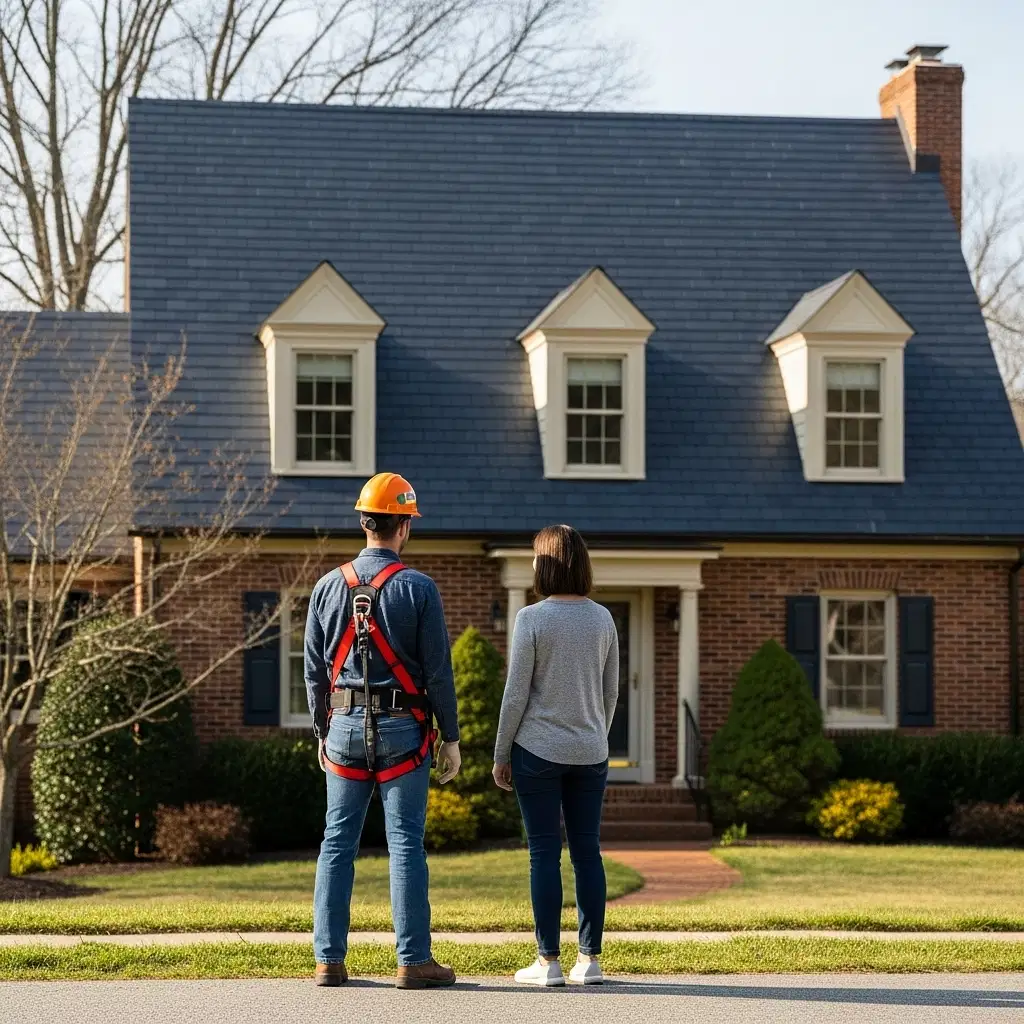
Here is the secret that many homeowners miss: your roof and siding aren't separate systems. They are partners. The transition zone where your roofline meets your exterior walls is incredibly vulnerable. If the siding is failing near the roof, water can slip behind the flashing. If the flashing is damaged, it can funnel water right behind your brand-new siding.
This is exactly why it pays to work with a local contractor who understands the entire exterior of residential buildings. A roofer who only looks at shingles might miss a siding gap that's causing your leak. By taking a holistic approach, we ensure that every piece of your home's exterior armor overlaps and integrates perfectly, creating a watertight seal that stands up to whatever the New England weather throws our way.
Spotting Trouble Before It Starts
As a fellow Nutmegger, you know our weather is unpredictable. That's why it's smart to do a quick visual inspection of your home, especially during the Spring Thaw after a long winter. Look for rust stains, bent metal, or missing sealant around your roof flashing. Keep an eye out for warped, cracked, or loose siding panels, and always investigate unexplained water stains on your interior ceilings or walls.
If you spot any of these warning signs, don't panic, but don't wait either. Catching these issues early is the key to protecting your investment and keeping repair costs low. At J.M.J Xteriors L.L.C, we pride ourselves on providing honest, transparent assessments for our neighbors throughout the Capitol Region. If you're worried about your home's exterior, contact us today for a free, no-pressure inspection. Let's make sure your home is ready for whatever the next season brings!