Managing Industrial Roof Drainage to Prevent Structural Damage
When you manage a large commercial or industrial facility, the roof over your head is protecting millions of dollars in inventory, equipment, and personnel. Unlike residential sloped roofs that naturally shed water, the expansive flat roofs typical of warehouses and manufacturing plants face a unique set of challenges when the weather turns severe. Here in the Capitol Region, where we experience everything from torrential summer downpours to heavy winter snow accumulation, having a robust and well-maintained roof drainage system is not just a recommendation—it is a structural necessity.
Industrial roofs are designed to handle a significant amount of stress, but water is deceptively heavy. Without a proper way to channel that water off the roof and away from the building's foundation, facility managers risk catastrophic structural damage, interior leaks, and costly operational downtime. Understanding how your drainage system works and recognizing when it needs an upgrade is the first step in protecting your commercial property.
The Hidden Danger of Ponding Water
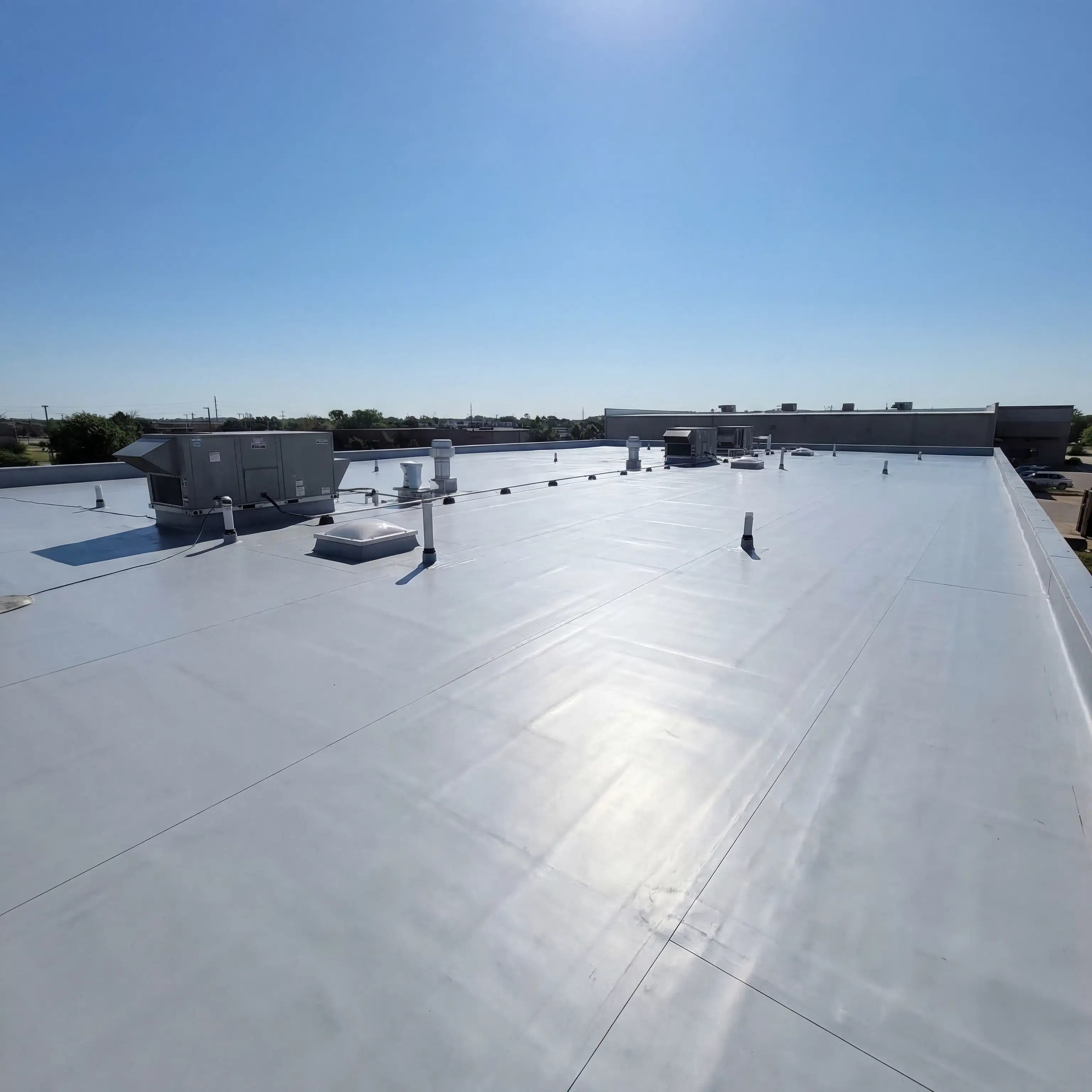
One of the most critical aspects of facility maintenance is preventing water weight accumulation on flat roofs. To put things into perspective, a single inch of rain covering a 10,000-square-foot flat roof translates to over 6,000 gallons of water. That volume weighs approximately 52,000 pounds. If your drainage system is compromised, clogged, or inadequately designed, that massive weight sits directly on your building's structural supports.
When water remains on a roof for more than 48 hours after a rainstorm, it is known as ponding. Ponding water accelerates the deterioration of roofing membranes, breaks down adhesives, and creates a breeding ground for algae and vegetation. More importantly, as the water sits, it can cause the roof deck to sag. This sagging creates a deeper depression, which collects even more water during the next storm, creating a dangerous compounding effect that can ultimately lead to a partial or total roof collapse.
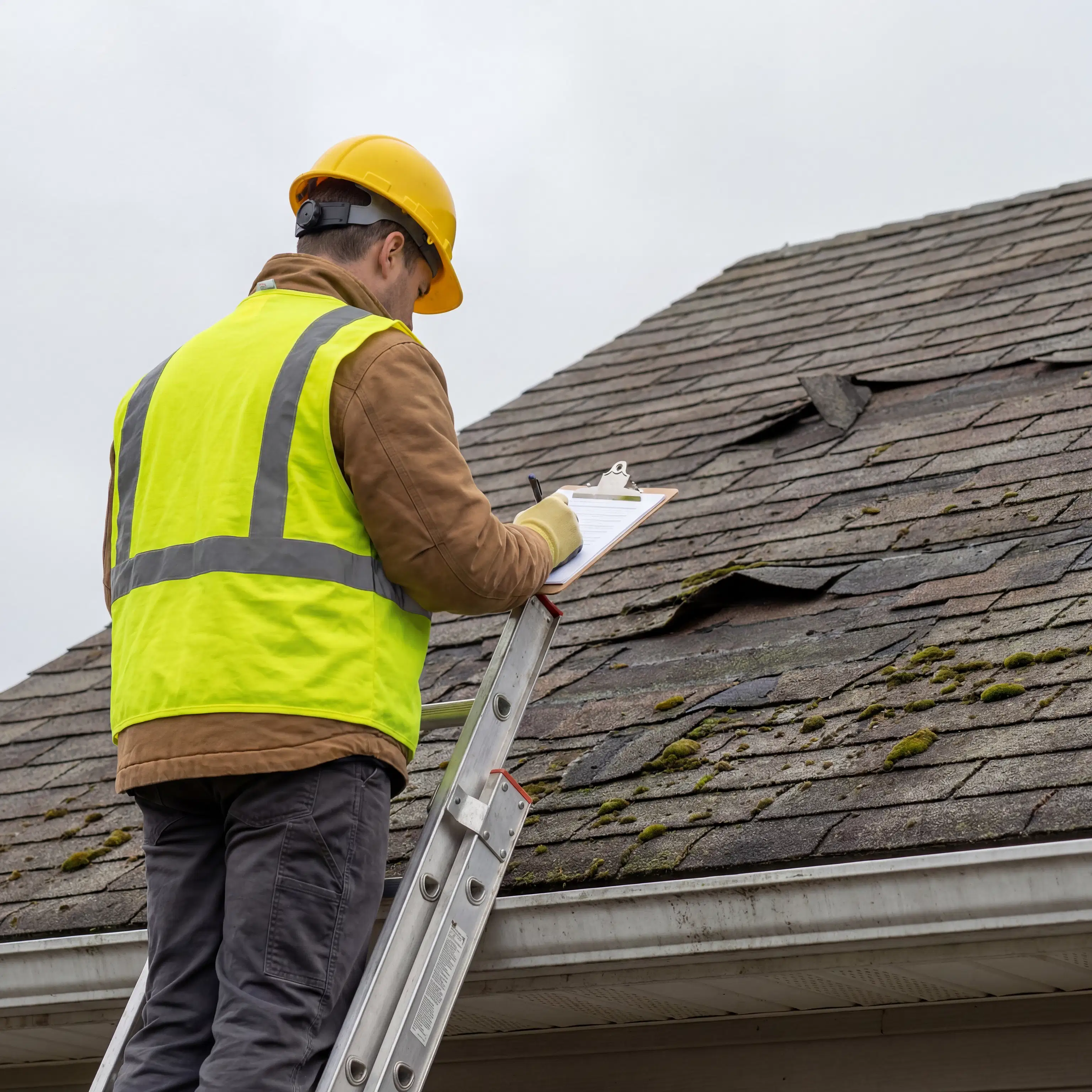
Routine inspections and proactive roofing maintenance are essential to identify low spots and ensure that water is flowing freely toward the designated drainage points before structural integrity is compromised.
Choosing the Right Drainage System
Industrial facilities typically rely on a combination of drainage mechanisms to manage water runoff. Understanding the differences between these systems can help you make informed decisions about upgrades and maintenance. A common discussion we have with facility managers involves comparing a commercial roof scupper vs internal drains.
Internal drains are located strategically across the interior surface of the roof, usually at the lowest points of a tapered insulation system. They connect to pipes that run through the inside of the building and out to the municipal storm sewer. These are highly effective for massive warehouse footprints where pushing water all the way to the exterior edge isn't feasible. However, because the plumbing runs inside the building, a leak or clog can cause immediate interior water damage.
Scuppers, on the other hand, are openings cut into the parapet walls at the roof's edge. They allow water to flow off the roof and into a conductor head or downspout on the exterior of the building. Scuppers are incredibly reliable because they are less prone to hidden clogs, but they require the roof to have a sufficient slope toward the perimeter.
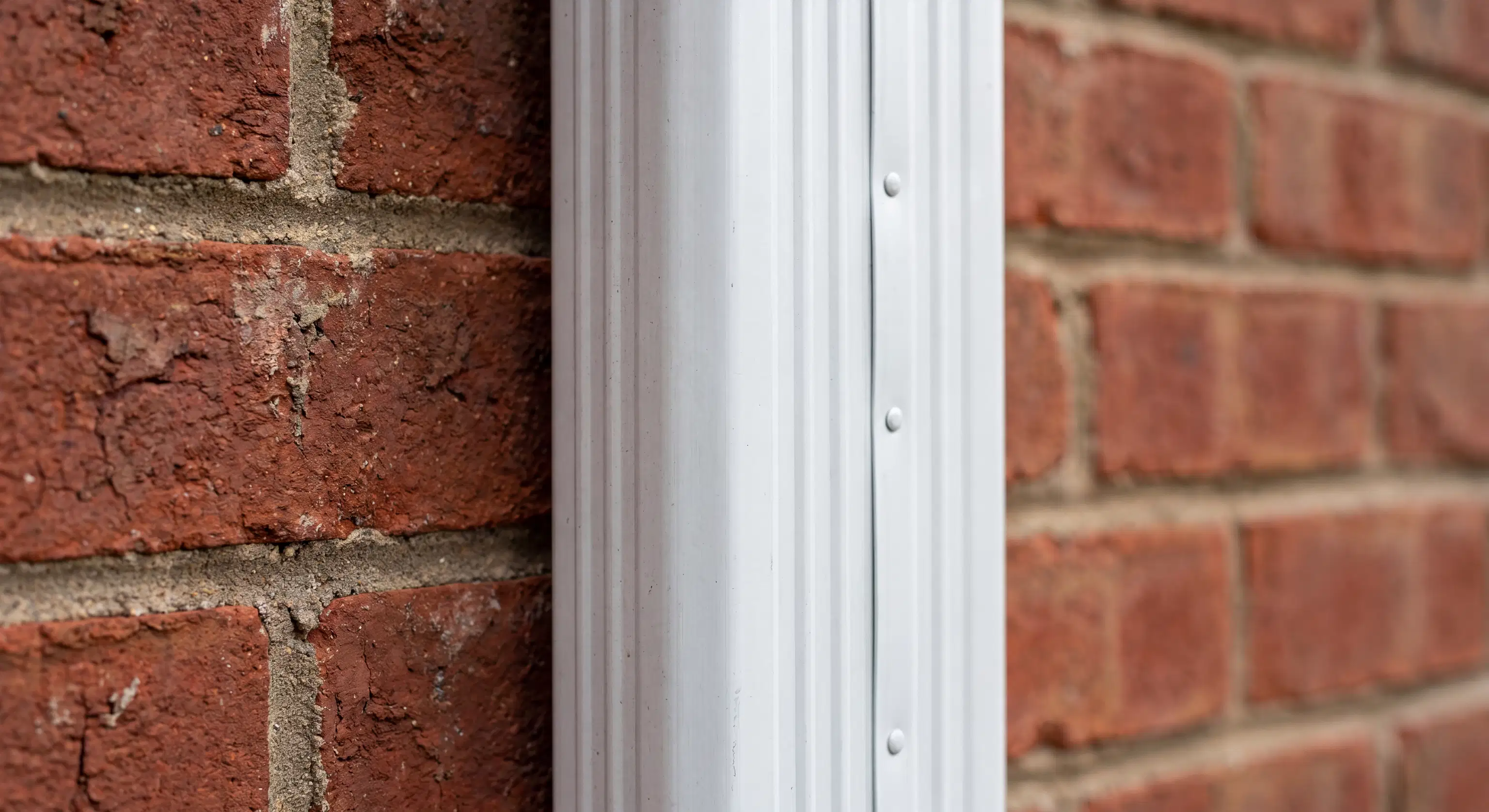
For buildings that utilize exterior drainage, installing heavy duty gutter systems for warehouses is crucial. Standard residential gutters simply cannot handle the volume or velocity of water shedding from a massive industrial roof. Commercial-grade gutters are fabricated from thicker gauge metals and feature oversized downspouts to ensure rapid water evacuation during heavy storms.
Winter Weather and Emergency Overflow
New England weather is notoriously unpredictable. When a severe Nor'easter strikes, bringing a mix of heavy snow, freezing rain, and rapid temperature fluctuations, your drainage system is put to the ultimate test. As snow melts and refreezes, it can form ice dams around scuppers and internal drains, completely blocking the escape route for melting water.
This is why building codes increasingly require emergency overflow solutions for industrial roofs. An overflow system acts as a fail-safe. If the primary drains become clogged by ice, leaves, or debris, the overflow drains—which are installed slightly higher than the primary drains—take over. This prevents the water level from rising to a dangerous depth. If you ever see water coming out of an overflow scupper, it is an immediate visual alarm that your primary drainage system is failing and requires urgent attention.
Preparing your facility for the Spring Thaw is just as important as winterizing it. As the massive weight of winter snow begins to melt rapidly, your primary and emergency drains must be completely clear of debris to handle the sudden influx of water. Partnering with a professional contractor who understands the specific demands of industrial buildings ensures that your drainage systems are inspected, cleared, and fully operational before the severe weather hits.
Protecting Your Investment
Managing the drainage on a large commercial facility is not a set-it-and-forget-it task. It requires a proactive approach, regular maintenance, and a deep understanding of how water interacts with your specific building architecture. Whether you need to upgrade to larger gutters, clear out internal drains, or install secondary overflow scuppers, taking action now can save you from catastrophic structural repairs in the future.
At J.M.J Xteriors L.L.C, we have the expertise and the local knowledge to protect your commercial property from the harshest weather the Hartford area has to offer. We are committed to providing transparent assessments, durable materials, and reliable service that keeps your operations running smoothly. If you are concerned about ponding water or the state of your current drainage system, reach out to us today through our contact us page to schedule a comprehensive roof inspection.