Protecting Your Operations: Essential Flat Roof Solutions for Industrial Facilities
The roof over your industrial facility is more than just a cover; it's a critical asset that protects your inventory, machinery, and daily operations. For businesses in the Hartford area, a flat roof must withstand everything from heavy snow loads and ice dams to the intense summer sun and the occasional Nor'easter. A failure isn't just an inconvenience—it can lead to costly downtime, damaged goods, and significant operational disruptions. Understanding the unique challenges and modern solutions for industrial flat roofs is the first step in safeguarding your investment.
This guide will walk you through the common failure points for commercial flat roofs, compare two of the leading modern roofing materials—EPDM and TPO—and explain why a proactive maintenance plan is your best defense against unexpected problems. Let's ensure your facility is protected from the top down.
Common Challenges for Industrial Flat Roofs in Connecticut
Industrial flat roofs have a tough job. Their large, low-slope surface area makes them uniquely vulnerable to specific issues, especially given our region's distinct four seasons. Ignoring these potential problems can lead to escalating repair costs and threaten the integrity of your entire building.
- Ponding Water: After a heavy rainstorm or during a spring thaw, standing water can accumulate in low spots. The weight of this water puts immense stress on the roof structure and can accelerate the deterioration of the roofing membrane. Proper drainage is essential to prevent this.
- Membrane Failure: The roofing membrane is your primary line of defense. Over time, exposure to UV rays, extreme temperature fluctuations, and foot traffic can cause materials to crack, blister, or shrink. Seams are particularly vulnerable points where separation can occur, creating an easy entry point for water.
- Inadequate Drainage Systems: Clogged drains, scuppers, and gutters are a leading cause of roof problems. Debris like leaves, branches, and dirt can quickly block drainage paths, leading directly to ponding water and potential leaks. Regular clearing is non-negotiable.
- Leaks and Moisture Intrusion: A small, undetected leak can lead to widespread damage. Moisture can saturate insulation, reducing its effectiveness, and seep into the building's structure, causing rust, rot, and mold. For an industrial facility, this can mean ruined inventory, damaged equipment, and unsafe working conditions.
Choosing the Right System: EPDM vs. TPO Roofing
When it's time for a new roof or a full replacement, selecting the right material is crucial for long-term performance and value. Two of the most trusted and effective solutions for industrial buildings are EPDM and TPO. While both are excellent choices, they have distinct advantages.
EPDM (Ethylene Propylene Diene Monomer)
Often referred to as rubber roofing, EPDM is a synthetic rubber membrane that has been a reliable industry standard for over 50 years.
- Key Benefits: It boasts exceptional durability and flexibility, remaining pliable even in Connecticut's coldest winters. It's highly resistant to UV radiation, hail, and thermal shock. Repairs are typically straightforward, and its long track record provides peace of mind.
- Considerations: Standard EPDM is black, which absorbs heat and can increase cooling costs in the summer. However, white-coated options are available to improve reflectivity. The seams are sealed with adhesive, which requires expert installation to ensure a perfect, watertight bond.
TPO (Thermoplastic Olefin)
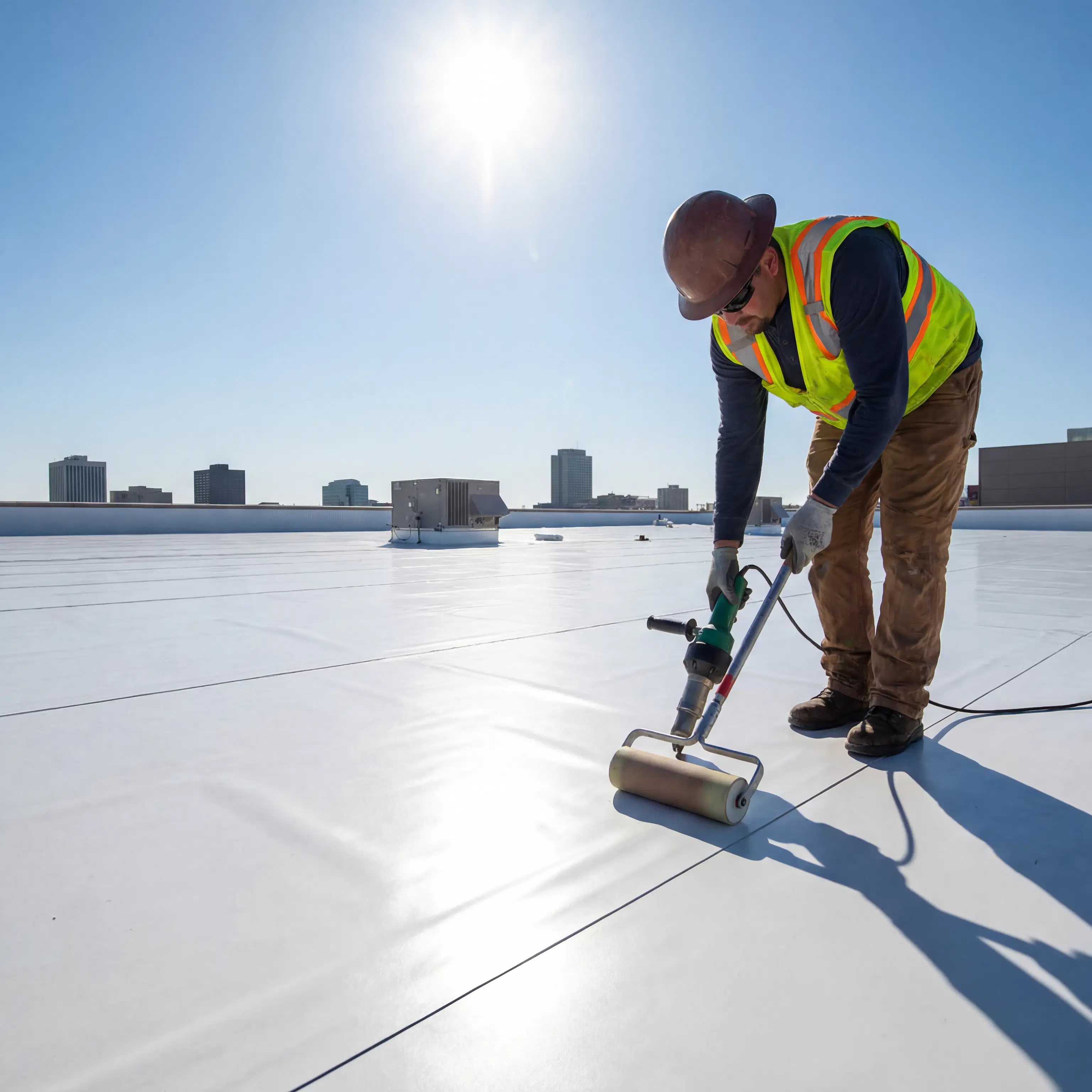
A newer, fast-growing option, TPO is a single-ply reflective roofing membrane made from a blend of rubbers. It's a favorite for businesses focused on energy efficiency.
- Key Benefits: TPO's standard white color is highly reflective, bouncing sunlight away to significantly reduce the building's heat load and lower air conditioning expenses. Its seams are heat-welded, creating a bond that is often stronger than the membrane itself. It also offers excellent resistance to punctures, tears, and chemical exposure.
- Considerations: As a more recent technology, TPO doesn't have the same decades-long track record as EPDM. The quality of installation is paramount to its long-term performance.
The best choice between EPDM and TPO depends on your facility's specific needs, energy efficiency goals, and budget. A consultation with an experienced commercial roofing contractor can help you weigh the pros and cons for your property.
The Power of Proactive Maintenance
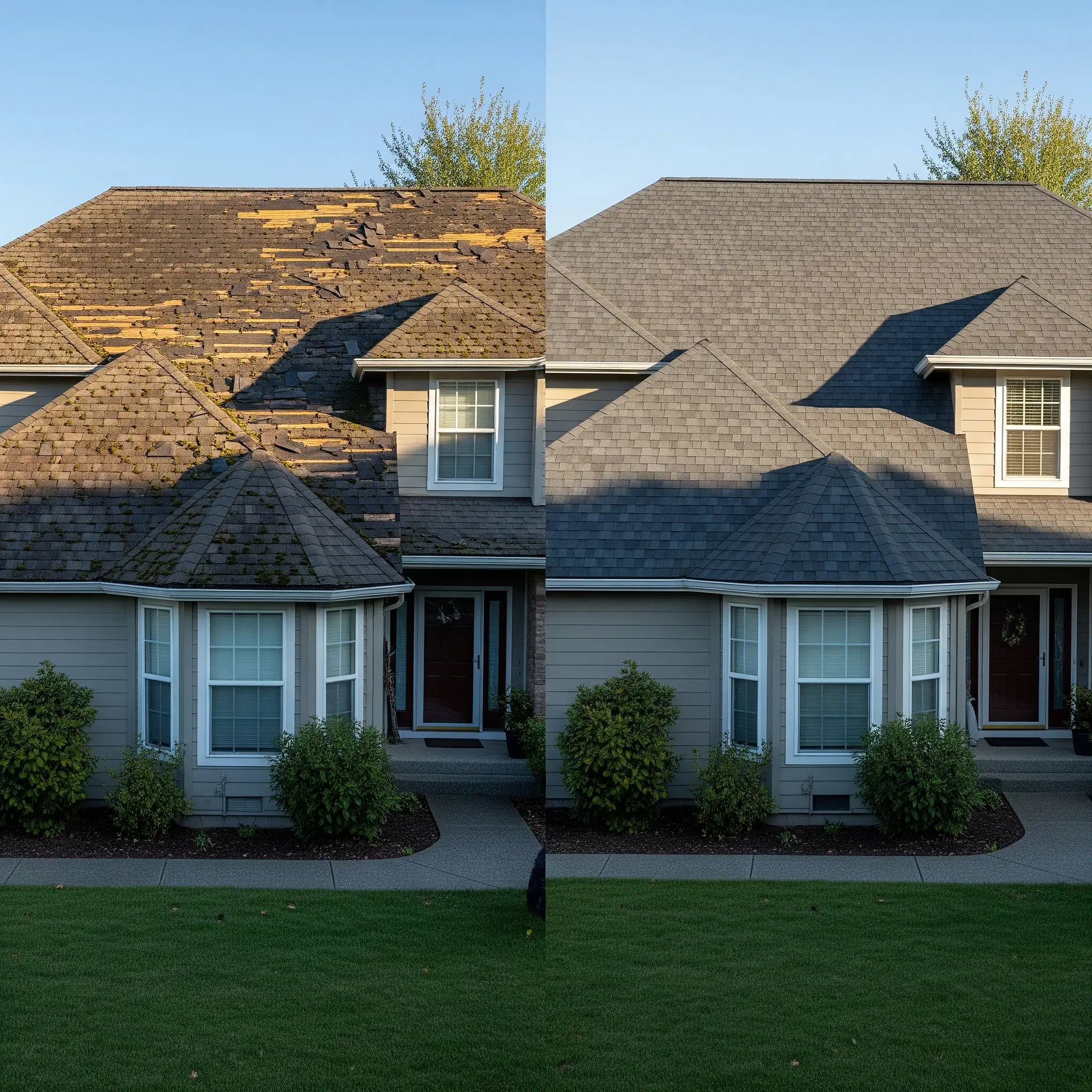
The most expensive roof repair is the one that takes you by surprise. A proactive maintenance plan is the most effective way to maximize your roof's lifespan, prevent leaks, and avoid interrupting your business operations. Instead of reacting to a crisis, you stay ahead of potential issues.
A comprehensive maintenance program should include:
- Semi-Annual Inspections: A professional should inspect your roof every spring and fall. They will check for signs of membrane damage, examine flashing around vents and equipment, test seam integrity, and look for early signs of blistering or cracking.
- Debris Removal: Regularly clearing the roof surface and, most importantly, the drainage systems is critical. Removing leaves, branches, and dirt ensures that water can flow off the roof efficiently, preventing ponding.
- Prompt Minor Repairs: Addressing small punctures, loose flashing, or minor seam separations as soon as they're found is far more cost-effective than waiting for them to become major leaks. A small patch today can prevent thousands of dollars in damage tomorrow.
Investing in a maintenance plan is not an expense; it's a crucial part of your facility's asset management strategy. It ensures your roofing system performs as intended for its full service life.
Your Partner in Industrial Roofing Solutions
Your industrial facility's roof is a complex system that plays a vital role in protecting your business. From withstanding harsh Connecticut weather to supporting heavy rooftop equipment, it requires specialized knowledge and expert care. By understanding common failure points, choosing the right materials like EPDM or TPO, and committing to a proactive maintenance schedule, you can ensure your roof remains a durable, reliable asset for decades.
Don't wait for a small issue to become a major disruption. The team at J.M.J Xteriors L.L.C has the expertise to inspect, repair, and replace flat roofing systems for industrial and commercial clients throughout the Hartford area. As experienced general contracting professionals, we understand the bigger picture of how your roof integrates with your entire facility. Contact us today for a comprehensive roof assessment and a free, no-obligation estimate to protect your property and your peace of mind.