
Restoring Triple-Decker Roofs and Historic Exterior Woodwork
The architectural heritage of the Capitol Region is something truly special. From the ornate Victorian homes lining historic streets to the iconic multi-family properties that have housed generations, these structures tell the story of our community. However, maintaining these classic buildings against the unpredictable New England weather requires more than just standard maintenance; it requires a deep understanding of historic construction and specialized craftsmanship.
For property owners in Hartford and the surrounding areas, preserving the structural integrity and aesthetic charm of these older homes is a top priority. Whether you are managing a multi-family rental property or restoring a classic single-family home, the roof and the exterior woodwork are your first lines of defense against the elements. When these components begin to fail, the entire building is at risk. In this guide, we will explore the unique challenges of restoring historic roofs and intricate exterior woodwork, and how modern solutions can protect your investment for decades to come.
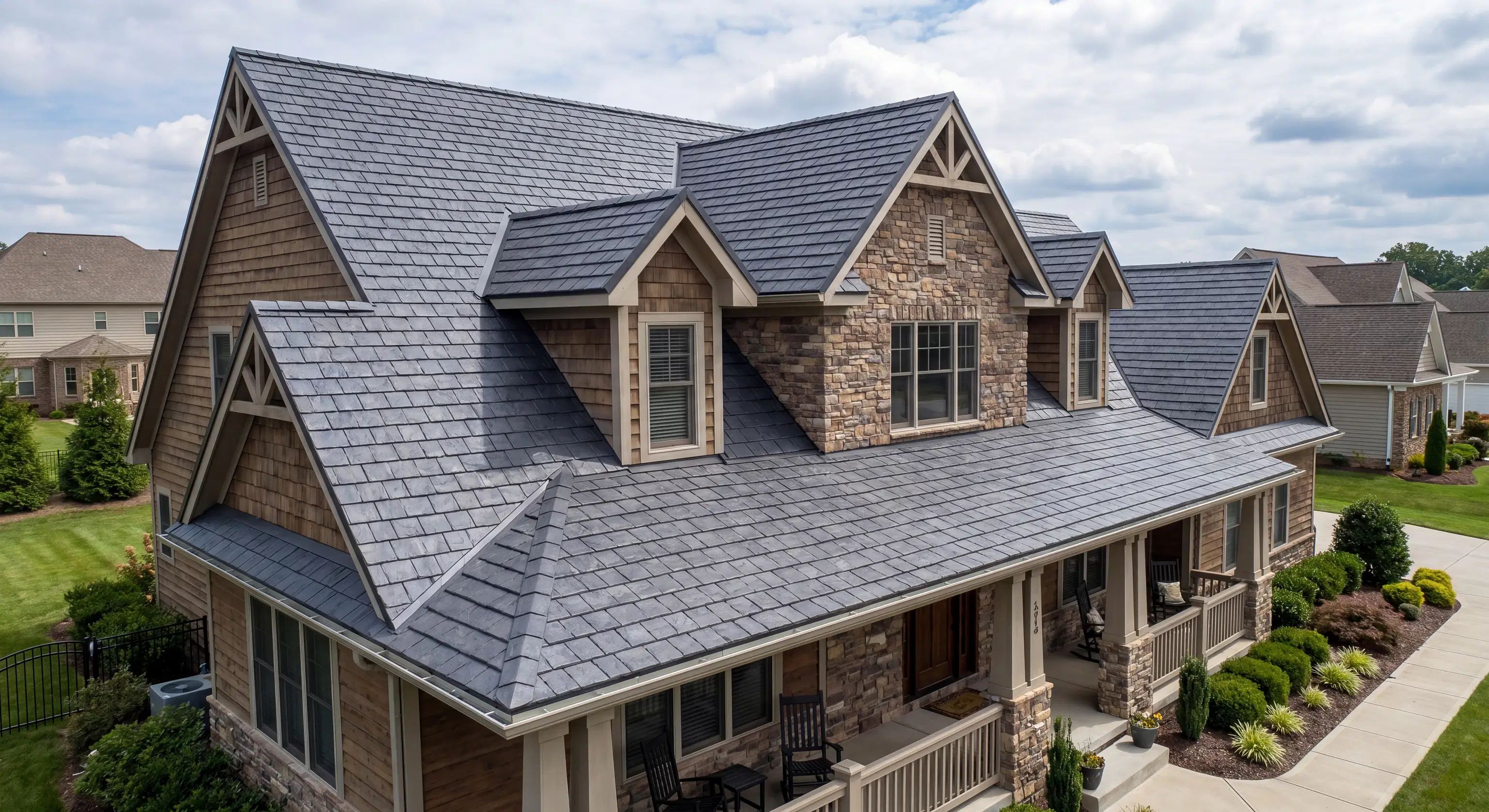
The Unique Challenges of Multi-Family and Historic Roofs
One of the most recognizable architectural styles in our area is the classic triple-decker. These multi-family homes are incredibly efficient and spacious, but they often feature flat or low-slope roof lines that present specific maintenance challenges. Unlike steeply pitched roofs that easily shed water and snow, low-slope roofs require specialized materials and meticulous installation to prevent pooling water and leaks.
When a severe Nor'easter rolls through, these roofs bear the brunt of heavy snow loads and driving rain. As the snow melts and refreezes, property owners frequently battle destructive ice dams. These blockages prevent melting snow from draining properly, forcing water back up under the roofing materials and into the building's interior. Preventing this requires a comprehensive approach, including proper attic ventilation, high-quality ice-and-water shields, and durable membrane roofing systems designed specifically for low-slope applications.
Furthermore, strict state building codes dictate how these roofs must be installed to ensure wind resistance and safety. Navigating these regulations while minimizing disruption to tenants is a common concern for landlords and property managers. By investing in professional roofing services tailored to residential buildings, property owners can ensure their multi-family homes remain safe, compliant, and protected from the harshest winter weather.
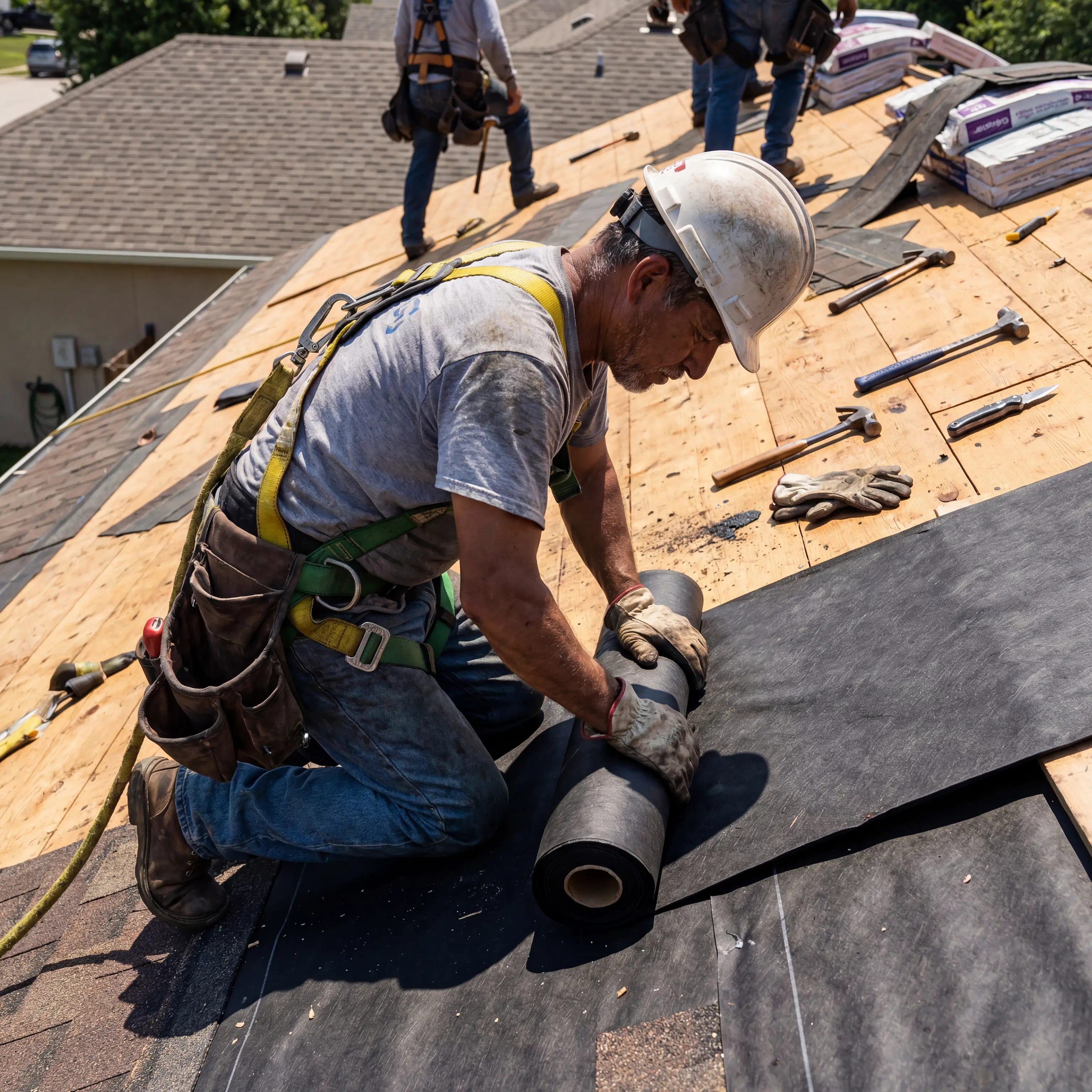
Preserving and Restoring Exterior Woodwork
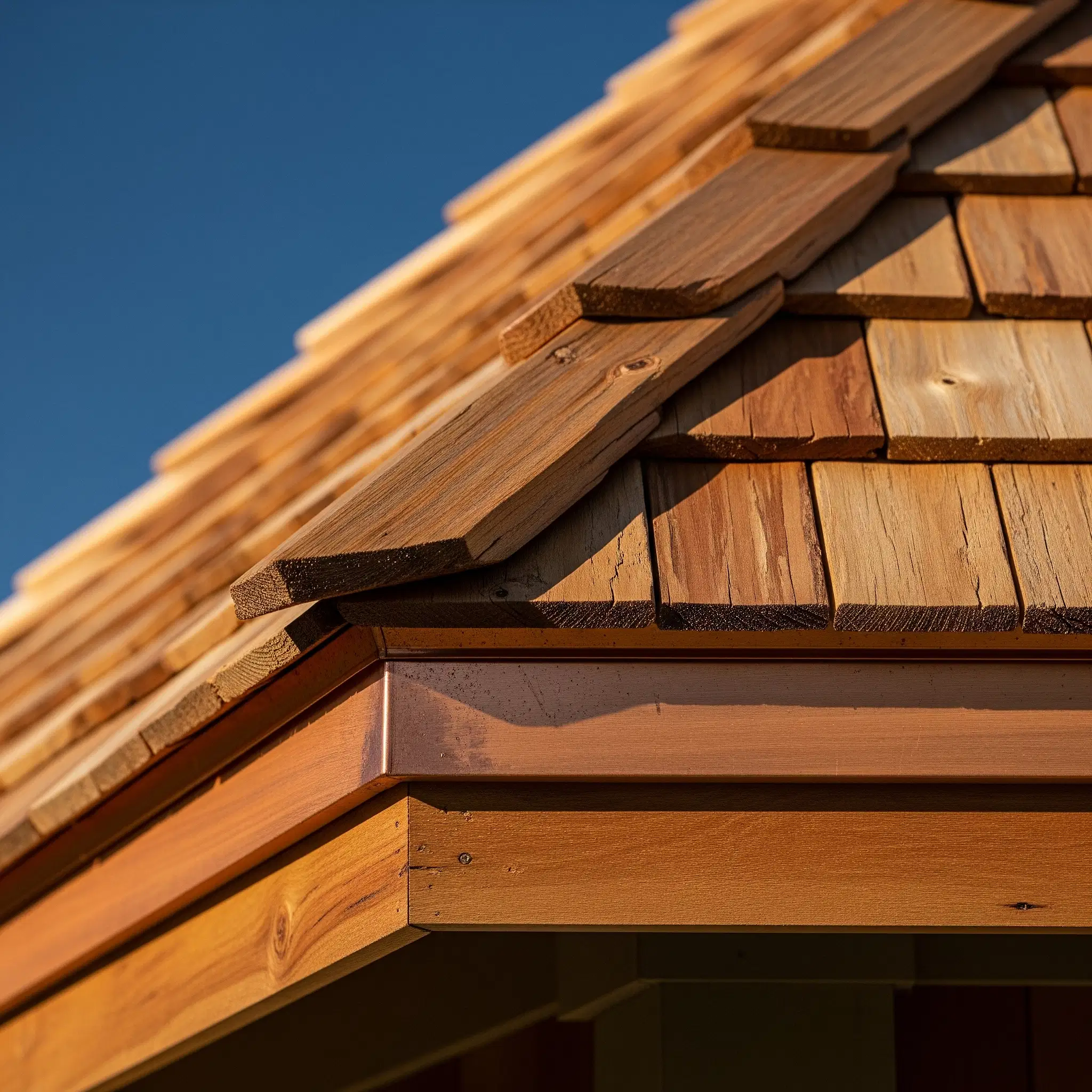
Beyond the roof itself, the exterior woodwork of historic homes—such as cornices, corbels, soffits, and fascia—plays a crucial role in both the building's structural integrity and its curb appeal. In historic neighborhoods like the West End, you will often find homes featuring intricate wooden details paired with premium materials like slate and copper. Over time, exposure to moisture, fluctuating temperatures, and pests can cause this historic wood to rot, warp, or deteriorate.
Replacing this woodwork is not as simple as buying off-the-shelf lumber from a big-box store. It requires skilled woodworking to replicate the original profiles and maintain the historical accuracy of the home. When restoring a historic exterior, it is essential to carefully assess the existing wood, remove any compromised sections, and seamlessly integrate custom-milled replacements.
This level of craftsmanship ensures that the home retains its original character while benefiting from modern, weather-resistant finishes. Proper restoration of the fascia and soffits also plays a vital role in the overall roofing system, providing a solid foundation for gutters and ensuring adequate airflow into the attic space. For any proud Nutmegger looking to preserve the legacy of their historic property, investing in expert woodwork restoration is just as important as maintaining the roof above it.
Navigating the Restoration Process with Modern Technology
Many homeowners wonder how to accurately assess the condition of their historic roof and woodwork without causing further damage during the inspection. This is where modern technology bridges the gap between historic preservation and contemporary efficiency. Today, advanced drone technology allows for high-resolution, contactless aerial inspections. This means we can safely evaluate the condition of delicate slate tiles, hidden flat roof sections, and hard-to-reach wooden cornices without ever stepping foot on the fragile materials.
Once the inspection is complete, the next common concern is managing the financial aspect of a major restoration. High-quality materials and specialized labor require a significant investment. Fortunately, flexible financing options are available to help property owners manage these costs effectively, allowing for necessary upgrades without compromising on quality or historical accuracy.
As we approach the spring thaw, it is the perfect time to evaluate how your historic home or multi-family property weathered the winter. Addressing minor issues now can prevent costly structural repairs down the road.
Protect Your Historic Investment
Restoring and maintaining historic homes and multi-family properties requires a delicate balance of traditional craftsmanship and modern roofing science. From navigating complex low-slope roof replacements to meticulously recreating ornate exterior trim, choosing a contractor with the right expertise is essential for protecting your property's value and legacy.
At J.M.J Xteriors L.L.C, based right here in Enfield, we understand the unique demands of New England architecture and weather. Our team is fully licensed, insured, and dedicated to providing transparent, high-quality service for every project. If you are ready to restore the beauty and functionality of your property, contact us today to schedule a comprehensive inspection and discuss your roofing, residential building, and woodworking needs.